Operational discovery
Choose equipment and events that matter to downtime, quality or maintenance decisions.
 ichelonCONSULTING GROUP
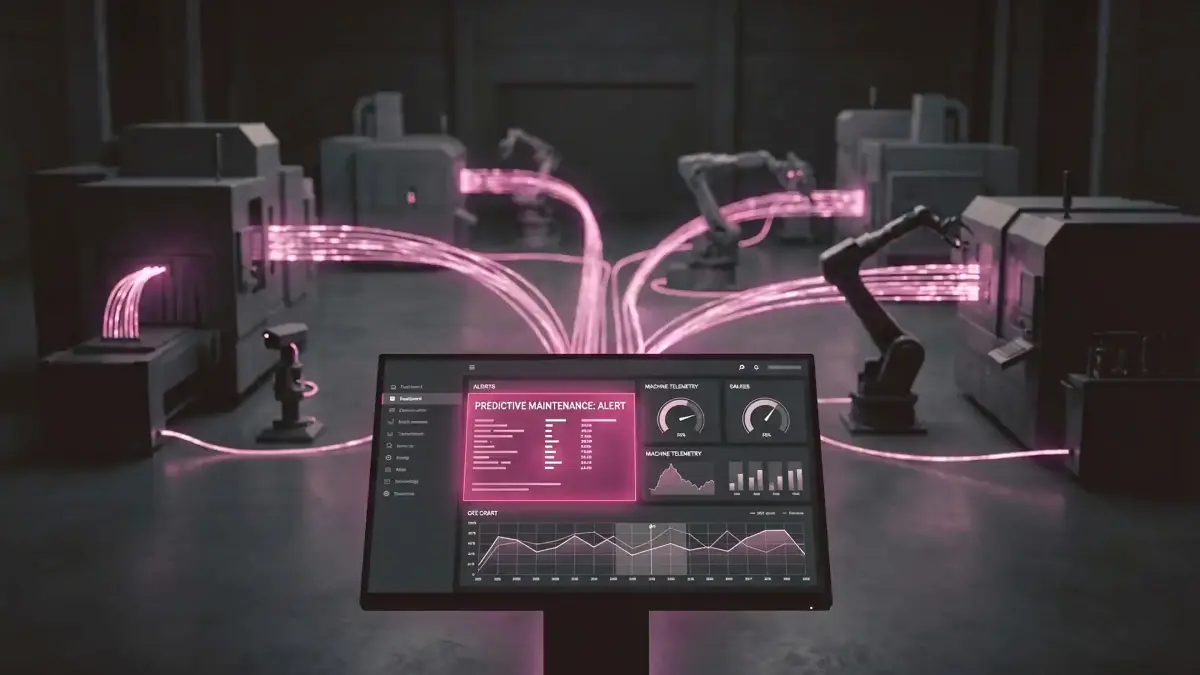
Cloud, data & AI · From equipment signals to useful decisions.
Machine signals become valuable when teams can use them to understand downtime, maintenance and production flow.
Understand the capability
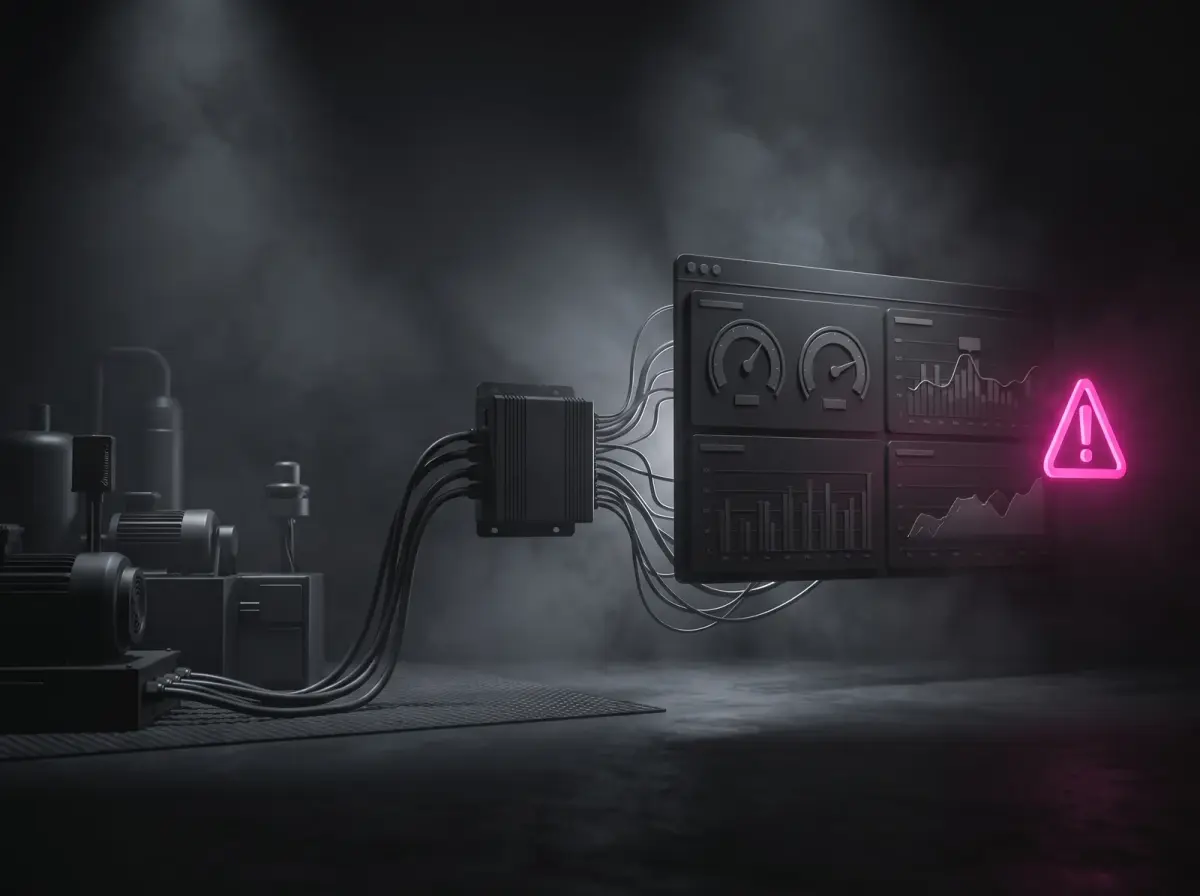
Industrial IoT connects equipment signals to operational decisions. A useful implementation brings machine context, connectivity, data handling and alert ownership together, rather than simply collecting as much telemetry as possible.
Better visibility into operations, with security and reliability considered from the start.
Key takeaways
Where progress gets stuck
Telemetry is collected without a business question.
Connectivity assumptions fail on the factory floor.
Alerts are too frequent to act on.
Equipment context and maintenance records are disconnected.
Make the problem and baseline visible before selecting a tool.
Design the workflow around real users and operating constraints.
Test important decisions, data and exception paths.
Leave an accountable owner and a practical handover.
What the work can include
Combine the capabilities the outcome requires. Each engagement is scoped around your existing systems, the team using them and the decisions they need to make.
Choose equipment and events that matter to downtime, quality or maintenance decisions.
Review protocols, gateways, network constraints and the boundary between operational and business systems.
Capture, timestamp and validate signals with buffering for intermittent connections.
Give teams a clear view of asset state, recent changes and information needed for the next action.
Define meaningful thresholds, ownership and escalation instead of sending every event to everyone.
Prove usefulness on a bounded group of assets before widening the deployment.
Designed for the real world
Better visibility into operations, with security and reliability considered from the start.
From understanding to action
 01
Choose equipment and events that matter to downtime, quality or maintenance decisions.
 02
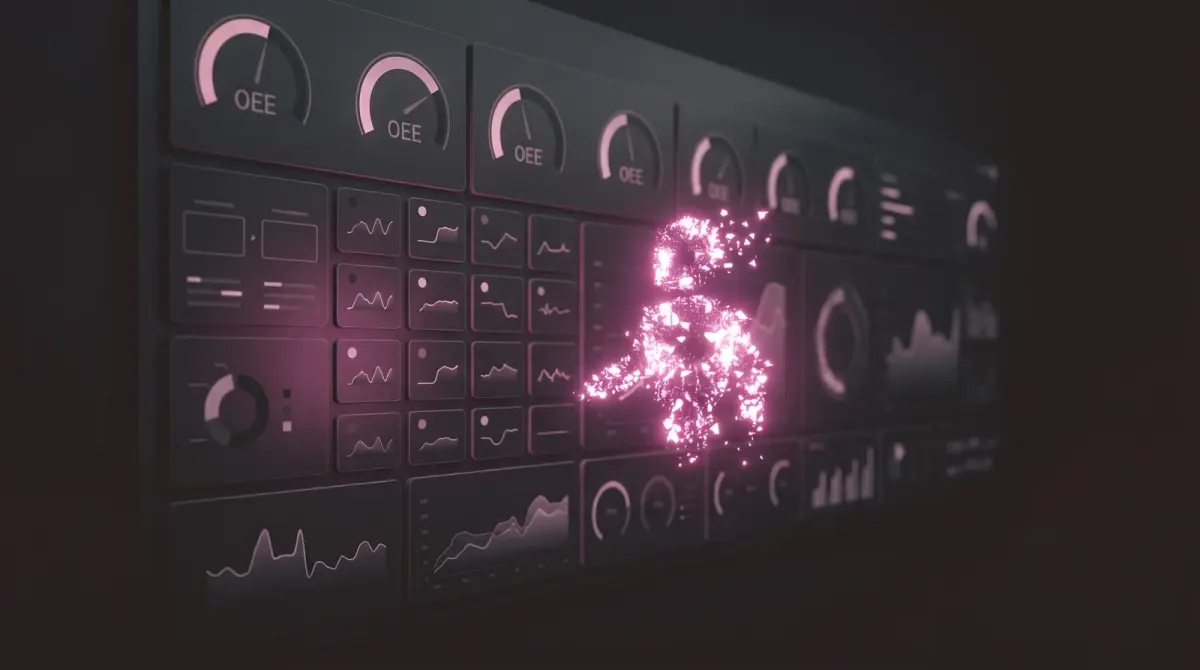
Review protocols, gateways, network constraints and the boundary between operational and business systems.
 03
Capture, timestamp and validate signals with buffering for intermittent connections.
 04
Give teams a clear view of asset state, recent changes and information needed for the next action.
 05
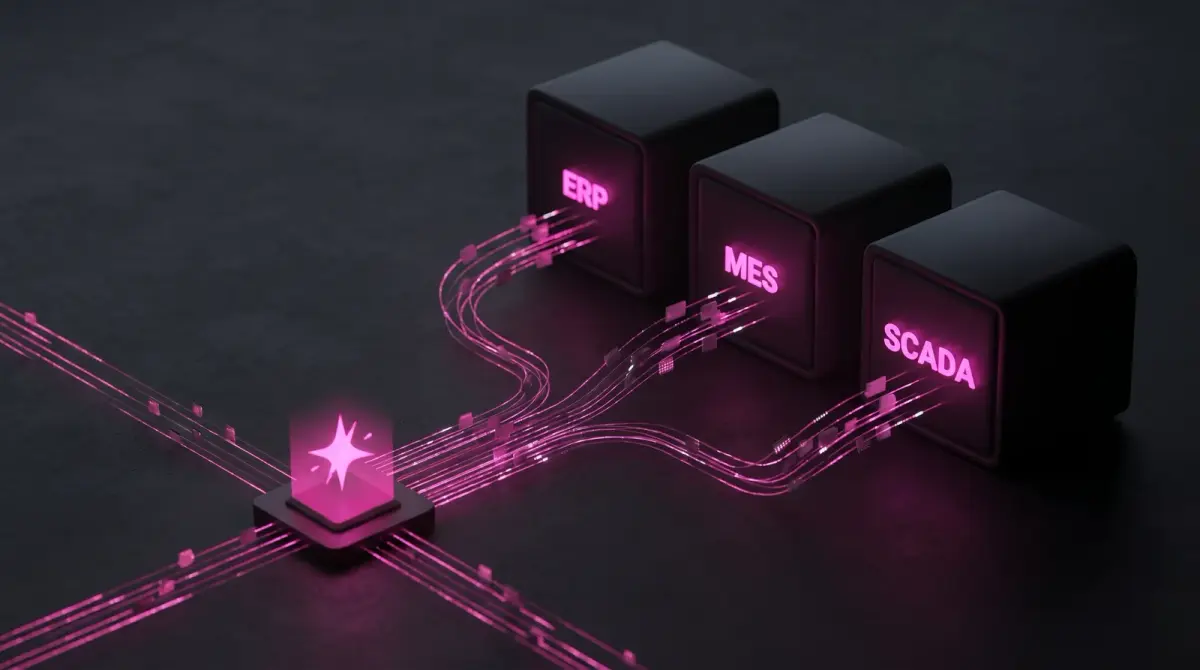
Define meaningful thresholds, ownership and escalation instead of sending every event to everyone.
Tools selected for the task


Technology choices follow the requirements, constraints and maintenance plan. Inclusion here describes tools that may be considered; the final stack is agreed in discovery.
How it works · Our method
 01
We talk to the people doing the work, map the current process and agree on the problem before recommending technology.
A shared problem statement and a map of the current workflow. 02
Establish a baseline. Identify the handoffs, bottlenecks and costs that make the biggest difference to your operation.
A baseline, prioritised opportunities and agreed success measures. 03
Turn the evidence into a practical plan. Evaluate options, dependencies and trade-offs, with your team involved throughout.
A delivery roadmap, solution design and acceptance criteria. 04
Deliver in reviewable increments. Test real workflows, handle exceptions and prepare your team to own the result.
Working software, tested integrations and a prepared team. 05
Review actual use against the baseline. Fix friction, refine the roadmap and adapt as your business changes.
An improvement backlog and an agreed review rhythm.Where we work
Start a conversation with Ichelon about your team, operating hours and delivery needs. Working arrangements, access and review rhythms are established as part of the engagement.
info@ichelon.com.au 0451 608 058Cost and engagement
Agree on the work before committing to delivery. Scope, timeline, ownership and dependencies belong in the same conversation as price.
Agreed after discovery
Make the current situation, options and next decision clear. A useful starting point when scope or dependencies are still uncertain.
Discuss the fitAgreed after discovery
Deliver an agreed set of capabilities with acceptance criteria, review points and a plan for handover.
Discuss the fitAgreed after discovery
Review how the result is used, address friction and prioritise the next changes against business outcomes.
Discuss the fitFrequently asked
It depends on the interfaces and operating constraints. An assessment reviews available signals, protocols and any additional sensors or gateways needed.
Edge buffering and controlled resynchronisation can keep a pipeline useful during interruptions. The required behaviour is designed around the importance and frequency of each signal.
No. Reliable visibility into condition, downtime and maintenance history often creates value before prediction is justified. More advanced models need enough trustworthy history to evaluate.
We begin with the current situation, the outcome you need and the constraints around industrial iot. Discovery identifies dependencies, responsibilities and acceptance criteria before a delivery plan and quote are agreed.
The price depends on scope, integration needs, existing systems and the level of uncertainty. A focused assessment helps establish a realistic estimate. Any ongoing platform charges and third-party costs should be visible alongside delivery work.
The engagement is designed around your team’s context. We agree on the product owner, technical contacts, access, review points and handover responsibilities before implementation begins.
Related services
Learn more
AI · 1 min read
Permissions, evaluation and ownership matter as much as the model.
Read the perspectiveAI · 2 min read
The best starting point is often a bounded task with evidence, an owner and a way to judge the result.
Read the perspective
AI · 2 min read
A review step needs a decision, evidence and an owner. Adding an approval button is only the beginning.
Read the perspectiveLet’s move forward
Share the business challenge. We’ll establish the questions and next steps together.
Start the conversation