Customer lifecycle design
Define enquiry sources, qualification, pipeline stages and the events that move work forward.
 ichelonCONSULTING GROUP
Business systems · One customer view. A clearer next action.
A CRM only helps when your team trusts its information and can fit it into their daily work.
Understand the capability
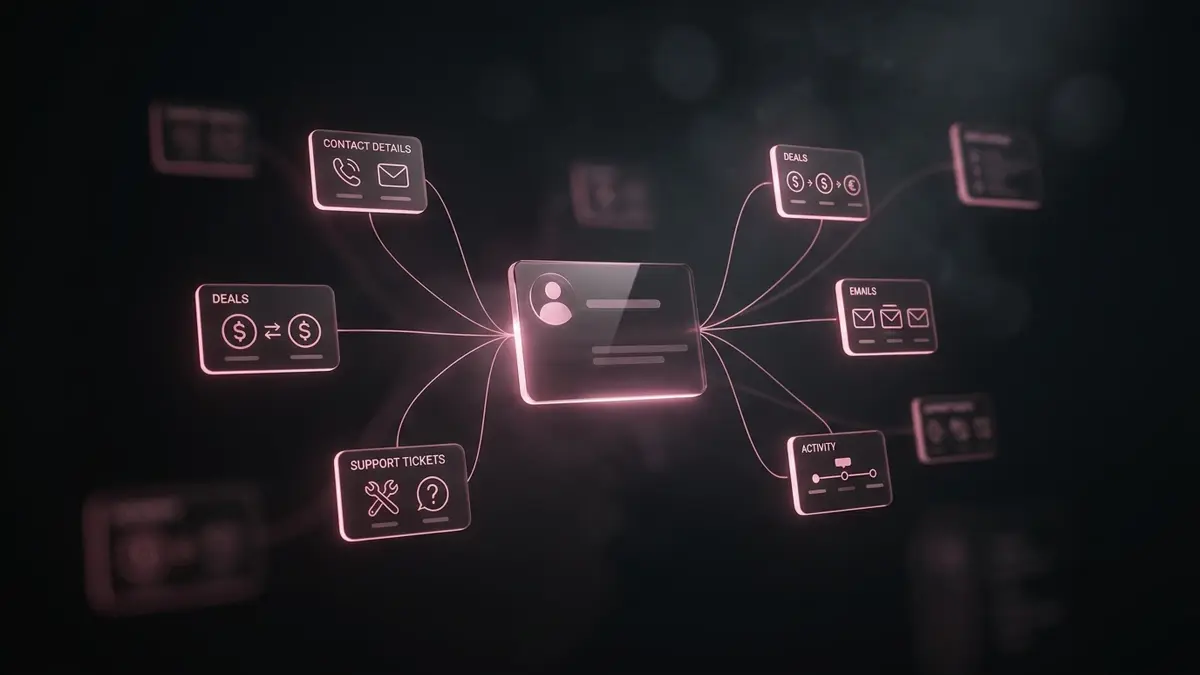
CRM implementation turns a customer lifecycle into a shared system for records, handoffs and follow-up. The system should make it easy for the team to see what happened, who owns the relationship and what should happen next.
A shared customer view and a practical, consistent sales process.

Key takeaways
Where progress gets stuck
Required fields add effort without supporting a decision.
Duplicate customer records damage trust in the system.
Stages describe opinions rather than observable customer events.
Follow-up depends on individual memory and inboxes.
Make the problem and baseline visible before selecting a tool.
Design the workflow around real users and operating constraints.
Test important decisions, data and exception paths.
Leave an accountable owner and a practical handover.
What the work can include
Combine the capabilities the outcome requires. Each engagement is scoped around your existing systems, the team using them and the decisions they need to make.
Define enquiry sources, qualification, pipeline stages and the events that move work forward.
Set up records, fields, ownership, permissions and views around the decisions people make.
Clean and deduplicate existing customer information with validation and a clear import strategy.
Connect forms, email and other operational systems without losing customer context.
Create useful routing and reminders, with reporting based on agreed definitions.
Train users with real examples, review friction and refine the configuration after initial use.
Designed for the real world
A shared customer view and a practical, consistent sales process.
From understanding to action
 01
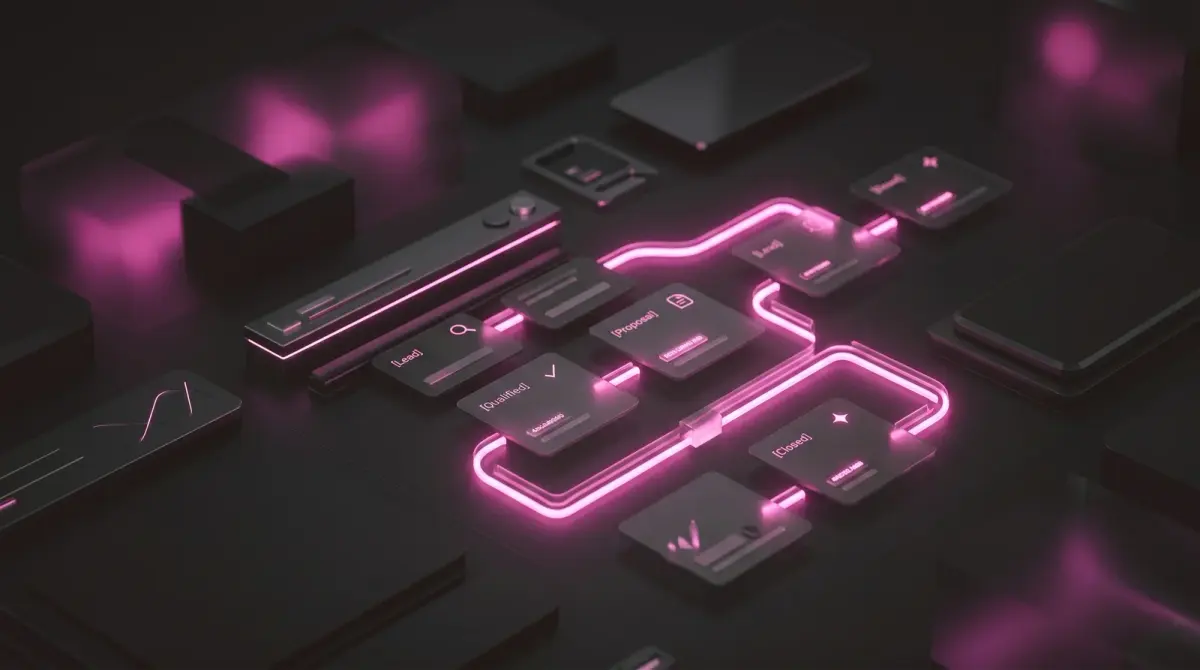
Define enquiry sources, qualification, pipeline stages and the events that move work forward.
 02
Set up records, fields, ownership, permissions and views around the decisions people make.
 03
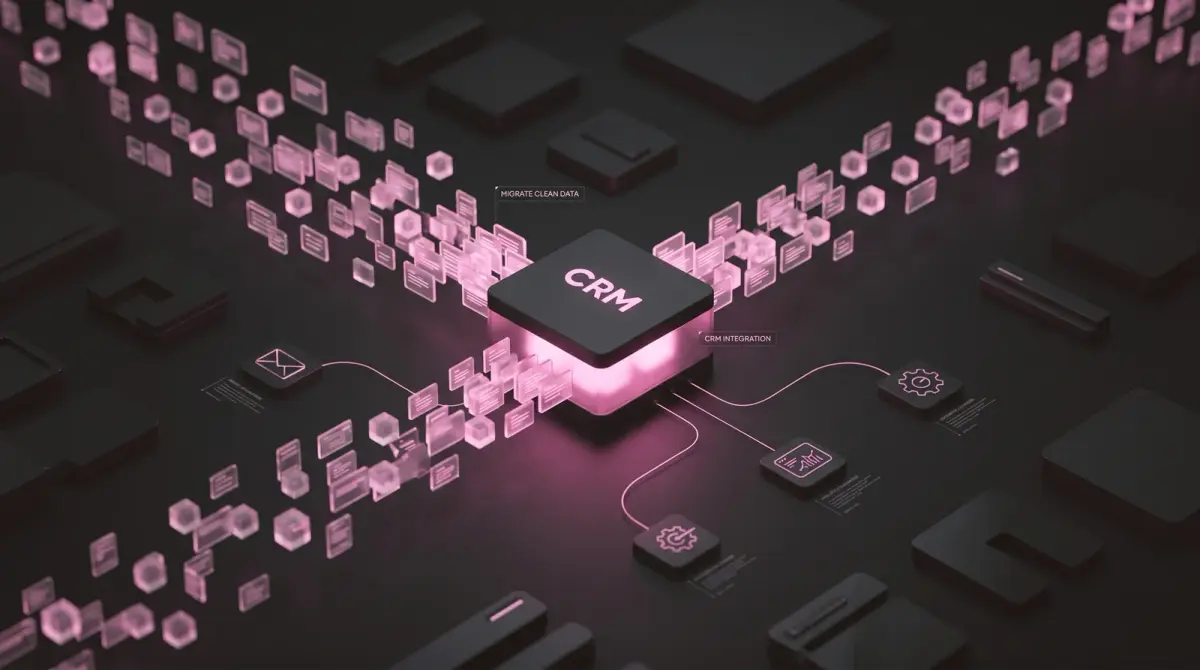
Clean and deduplicate existing customer information with validation and a clear import strategy.
 04
Connect forms, email and other operational systems without losing customer context.
 05
Create useful routing and reminders, with reporting based on agreed definitions.
Tools selected for the task


Technology choices follow the requirements, constraints and maintenance plan. Inclusion here describes tools that may be considered; the final stack is agreed in discovery.
How it works · Our method
 01
We talk to the people doing the work, map the current process and agree on the problem before recommending technology.
A shared problem statement and a map of the current workflow. 02
Establish a baseline. Identify the handoffs, bottlenecks and costs that make the biggest difference to your operation.
A baseline, prioritised opportunities and agreed success measures. 03
Turn the evidence into a practical plan. Evaluate options, dependencies and trade-offs, with your team involved throughout.
A delivery roadmap, solution design and acceptance criteria. 04
Deliver in reviewable increments. Test real workflows, handle exceptions and prepare your team to own the result.
Working software, tested integrations and a prepared team. 05
Review actual use against the baseline. Fix friction, refine the roadmap and adapt as your business changes.
An improvement backlog and an agreed review rhythm.Where we work
Start a conversation with Ichelon about your team, operating hours and delivery needs. Working arrangements, access and review rhythms are established as part of the engagement.
info@ichelon.com.au 0451 608 058Cost and engagement
Agree on the work before committing to delivery. Scope, timeline, ownership and dependencies belong in the same conversation as price.
Agreed after discovery
Make the current situation, options and next decision clear. A useful starting point when scope or dependencies are still uncertain.
Discuss the fitAgreed after discovery
Deliver an agreed set of capabilities with acceptance criteria, review points and a plan for handover.
Discuss the fitAgreed after discovery
Review how the result is used, address friction and prioritise the next changes against business outcomes.
Discuss the fitFrequently asked
Start with the customer lifecycle, required integrations, team size and administration capacity. The selection should account for total operating effort as well as licensing.
Yes. A focused review can identify unnecessary fields, weak handoffs, inconsistent stages and reporting definitions that reduce adoption or trust.
Keep the first workflow focused and useful. Use real scenarios in training, assign ownership and review the first weeks of activity to address avoidable friction.
We begin with the current situation, the outcome you need and the constraints around crm implementation. Discovery identifies dependencies, responsibilities and acceptance criteria before a delivery plan and quote are agreed.
The price depends on scope, integration needs, existing systems and the level of uncertainty. A focused assessment helps establish a realistic estimate. Any ongoing platform charges and third-party costs should be visible alongside delivery work.
The engagement is designed around your team’s context. We agree on the product owner, technical contacts, access, review points and handover responsibilities before implementation begins.
Related services
Learn more
Insights · 1 min read
The most valuable configuration decision may be the field you choose to leave out.
Read the perspective
Insights · 2 min read
A good-looking chart is the visible end of a much larger agreement about information.
Read the perspective
Insights · 2 min read
A roadmap should help people make investment decisions, not just display a list of proposed projects.
Read the perspectiveLet’s move forward
Share the business challenge. We’ll establish the questions and next steps together.
Start the conversation